
Personalized Upper Eyelid Surgery with Dr. Demetri for Heavy, Hooded, or Aging Eyelids
Heavy or hooded upper eyelids can make your eyes appear smaller, tired, or less defined, even when you feel rested. For some people, these changes develop gradually as the skin loses elasticity. Others have naturally hooded eyelids that become more noticeable with age. In more significant cases, excess upper eyelid skin can even interfere with peripheral vision.
At his facial plastic surgery practice in Tampa, FL, Dr. Demetri Arnaoutakis, known to his patients as Dr. Demetri, performs upper blepharoplasty to address excess skin and selected areas of fullness while preserving the natural shape and expression of the eyes. Double board-certified in facial plastic and reconstructive surgery and otolaryngology–head and neck surgery, Dr. Demetri evaluates the eyelids in relation to the brows and surrounding facial structures to determine which anatomical changes are contributing to each patient’s concerns.
Upper eyelid surgery can be performed on its own or incorporated into a more comprehensive facial rejuvenation plan. For patients considering procedures such as a facelift, addressing the upper eyelids may help create a more balanced appearance between the eyes and the rest of the face.
What Causes Heavy or Hooded Upper Eyelids?
Heavy or hooded upper eyelids can develop for several reasons, including natural aging, inherited anatomy, prominent fat, or changes in brow and eyelid position. Identifying the underlying cause is important because not every concern can be corrected with upper blepharoplasty.
Excess Upper Eyelid Skin (Dermatochalasis)
As the skin loses elasticity, it can fold over the natural upper eyelid crease, creating a heavy or hooded appearance. In some cases, excess skin can interfere with makeup application or obstruct peripheral vision. Upper blepharoplasty removes redundant skin while preserving normal eyelid function.
Naturally Hooded Upper Eyelids
Some people inherit fuller upper eyelids or a less visible eyelid crease. Upper blepharoplasty may improve definition for appropriate candidates, although surgery should preserve the natural characteristics of the eyes rather than dramatically change their shape.
Upper Eyelid Fullness or Prominent Fat
Prominent fat can contribute to upper eyelid puffiness that does not improve with rest. When appropriate, Dr. Demetri may conservatively remove or reposition fat during surgery, taking care to preserve enough fullness to avoid a hollow appearance.
Drooping Eyebrows (Brow Ptosis)
A descending brow can push tissue downward over the upper eyelids, creating the appearance of excess eyelid skin. Because blepharoplasty does not lift the eyebrows, some patients may benefit more from a brow lift or a combination of procedures.
Drooping Upper Eyelid Margin (Eyelid Ptosis)
Unlike excess skin, true eyelid ptosis occurs when the upper eyelid margin sits lower than normal, often because of changes affecting the muscle or structures that lift the eyelid. Blepharoplasty alone does not correct this condition, and a separate ptosis evaluation or repair may be necessary.
Who Can Benefit From Upper Blepharoplasty and What Can It Improve?
Upper blepharoplasty may benefit adults who have excess upper eyelid skin, persistent hooding, or fullness that makes their eyes appear heavy or tired. Whether these changes are inherited or develop with age, the goal of surgery is to address the underlying concern while preserving the natural shape and expression of the eyes.
Depending on your anatomy, upper eyelid surgery may help:
- Reduce heavy or hooded eyelids: Remove excess skin that folds over the natural eyelid crease and contributes to a weighed-down appearance.
- Create a more defined upper eyelid contour: Reveal more of the natural eyelid crease when redundant skin obscures it.
- Restore a more rested appearance: Address upper eyelid heaviness that makes the eyes appear tired or older than you feel.
- Improve upper eyelid symmetry: Correct certain differences caused by uneven excess skin, although perfect symmetry cannot be guaranteed.
- Reduce prominent upper eyelid fullness: Conservatively address excess fat when it contributes to puffiness without creating an overly hollow appearance.
- Make applying eye makeup easier: Reduce skin folds that interfere with eyeliner or eyeshadow application.
- Potentially improve peripheral vision: Remove excess skin that obstructs the upper visual field in appropriately selected patients.
There is no specific age at which upper blepharoplasty becomes appropriate. Some patients seek treatment for naturally hooded eyelids, while others develop excess skin as they age. Good candidates are generally in appropriate health for elective surgery and have realistic expectations about the results.
During your consultation, Dr. Demetri will evaluate your eyelid anatomy, brow position, eye health, and medical history to determine whether upper blepharoplasty can address your concerns. If drooping eyebrows or true eyelid ptosis are contributing to the appearance of your eyes, another procedure or a combined approach may be more appropriate.
Why Choose Dr. Demetri for Upper Blepharoplasty in Tampa?
Upper blepharoplasty requires a precise understanding of eyelid anatomy, facial proportions, and the delicate structures responsible for normal eyelid function. Removing too much skin or fat can create an unnatural appearance, making careful surgical planning particularly important.
Dr. Demetri Arnaoutakis, known to his patients as Dr. Demetri, is double board-certified in facial plastic and reconstructive surgery and otolaryngology–head and neck surgery. His specialized training and focus on facial surgery inform his approach to upper blepharoplasty, with an emphasis on preserving natural eye shape, maintaining appropriate eyelid fullness, and creating results that complement the rest of the face.
Rather than taking a one-size-fits-all approach, Dr. Demetri evaluates each patient’s upper eyelid anatomy, brow position, and individual concerns before recommending surgery. His goal is to address the underlying cause of eyelid heaviness while preserving the features that make each patient’s eyes recognizable.
Patients considering upper eyelid surgery can explore Dr. Demetri’s upper blepharoplasty before-and-after gallery and read patient testimonials to learn more about his surgical results and patient experiences.
How Does Dr. Demetri Perform Upper Blepharoplasty?
Upper blepharoplasty requires careful planning to remove excess skin and address fullness without compromising the natural shape or function of the eyelids. Dr. Demetri tailors the procedure to each patient’s anatomy, focusing on precise tissue removal and preserving the characteristics that give the eyes their individual appearance.
Upper Eyelid Incision Placement
Dr. Demetri places the incision within the natural upper eyelid crease, where the resulting scar can become less noticeable as it heals. This placement allows him to remove excess skin while preserving enough tissue for normal eyelid closure.
Addressing Excess Skin and Upper Eyelid Fat
The amount of skin removed depends on the degree of hooding, eyelid anatomy, and brow position. When prominent fat contributes to upper eyelid fullness, Dr. Demetri may conservatively remove or reposition it to improve the contour. Preserving appropriate fullness is important because excessive removal of skin or fat can create a hollow, tight, or unnatural appearance.
Anesthesia and Surgical Setting
Dr. Demetri performs eyelid surgery using light sedation and local anesthesia in his fully accredited in-office surgical suite, with board-certified anesthesia care.
Upper blepharoplasty is generally performed as an outpatient procedure. Before surgery, Dr. Demetri will explain the planned incision placement, which tissues will be addressed, and what to expect during recovery.
What Is Upper Blepharoplasty Recovery Like, and How Long Do Results Last?
Recovery from upper blepharoplasty varies, but most patients experience temporary swelling, bruising, and tightness around the eyelids during the initial healing period. Incisions are positioned within the natural upper eyelid crease, where scars typically become less noticeable as healing progresses.
During recovery, patients can generally expect:
- Initial swelling and bruising: Most noticeable during the first several days, with gradual improvement over the following weeks.
- Temporary eyelid tightness or irritation: Mild tenderness, dryness, or sensitivity may occur as the tissues heal.
- Activity restrictions: Strenuous exercise, heavy lifting, and activities that increase pressure around the eyes should be avoided until Dr. Demetri provides clearance.
- Temporary adjustments to daily routines: Eye makeup and contact lenses may need to be avoided during early healing.
- Gradual scar maturation: Upper eyelid incisions continue to fade and mature over several months.
- Progressive refinement of results: As swelling resolves, the upper eyelid contour becomes more defined.
Many patients feel comfortable returning to work and social activities once the most noticeable bruising and swelling have improved, although individual timelines vary.
Upper blepharoplasty can provide long-lasting improvement in eyelid hooding and excess skin. However, surgery does not stop the natural aging process, and the eyelids and brows may continue to change over time. Dr. Demetri provides individualized postoperative instructions and monitors healing during follow-up appointments.
Can Upper Blepharoplasty Be Combined With a Facelift? What Are the Advantages?
Yes. Upper blepharoplasty can be combined with facelift surgery when aging affects both the upper eyelids and other areas of the face. Because these procedures address different anatomical concerns, combining them may provide more comprehensive facial rejuvenation.
Potential advantages include:
- More balanced facial rejuvenation: Upper blepharoplasty addresses excess eyelid skin and heaviness, while a deep plane facelift addresses descended facial tissues and changes affecting the cheeks, jawline, and potentially the neck.
- One surgical experience: Appropriate candidates may undergo both procedures during the same operation rather than scheduling separate surgeries.
- Overlapping recovery periods: Healing from both procedures can occur during the same general recovery period, although combining procedures may affect the extent of swelling, bruising, and activity restrictions.
- A coordinated surgical plan: Dr. Demetri can evaluate the eyes and lower face together, developing a treatment approach that maintains natural facial proportions and expression.
A facelift does not remove excess upper eyelid skin, and upper blepharoplasty does not correct jowling or lower facial laxity. Dr. Demetri evaluates each concern independently and recommends combining procedures only when the patient’s anatomy, health, and rejuvenation goals support doing so.
Frequently Asked Questions About Upper Blepharoplasty
Can upper blepharoplasty completely eliminate hooded eyelids?
Upper blepharoplasty can significantly reduce hooding caused by excess upper eyelid skin. However, the amount of improvement depends on your natural anatomy, brow position, and the amount of skin that can safely be removed. The goal is to improve eyelid definition while maintaining normal function and a natural appearance.
What is the difference between upper blepharoplasty and ptosis repair?
Upper blepharoplasty removes excess skin and may address prominent fat in the upper eyelids. Ptosis repair corrects a drooping upper eyelid margin, usually by addressing the muscle or supporting structures responsible for lifting the eyelid. Patients with both conditions may require a combination of treatments.
Will upper blepharoplasty change the shape of my eyes?
The goal is to preserve your natural eye shape while reducing excess skin and heaviness. Dr. Demetri plans the procedure conservatively to avoid an overly hollow, tight, or noticeably altered appearance. Some visible change in eyelid contour is expected, but dramatic changes to the fundamental shape of the eyes are not the objective.
Can upper eyelid surgery improve peripheral vision?
It may. When excess upper eyelid skin extends far enough downward to obstruct the upper visual field, removing that skin can improve visibility. Patients concerned about visual obstruction may need additional evaluation or documentation to determine whether surgery qualifies as medically necessary.
How do I know if I need upper blepharoplasty or a brow lift?
Upper blepharoplasty addresses excess upper eyelid skin, while a brow lift repositions descended eyebrows. Because a low brow can contribute to eyelid hooding, Dr. Demetri evaluates both areas during your consultation. Some patients benefit from one procedure, while others may need both.
Can upper blepharoplasty correct uneven eyelids?
Upper blepharoplasty may improve asymmetry caused by differences in excess skin or fullness between the eyelids. However, asymmetry can also result from brow position, true eyelid ptosis, or underlying anatomical differences. Perfect symmetry cannot be guaranteed, and the appropriate treatment depends on the cause.
Will upper blepharoplasty leave visible scars?
Upper blepharoplasty incisions are typically placed within the natural upper eyelid crease, helping conceal the resulting scars when the eyes are open. Scars may initially appear pink or noticeable but generally become less apparent as they mature. Individual healing and scar visibility vary.
Can upper and lower blepharoplasty be performed together?
Yes. Patients with both upper eyelid hooding and lower eyelid bags or excess skin may benefit from combining upper and lower blepharoplasty. Treating both areas during the same operation can provide more comprehensive rejuvenation around the eyes, although combining procedures is not necessary for every patient.
Should I have upper blepharoplasty before or after a facelift?
There is no single sequence that is appropriate for everyone. If both procedures are recommended, they may sometimes be performed together. When separate operations are preferable, the timing depends on your anatomy, treatment priorities, overall health, and surgical plan.
Can upper eyelid surgery be repeated if hooding develops again?
Revision or repeat upper blepharoplasty may be possible in selected patients, but it requires careful evaluation. Previous surgery changes the available skin and underlying tissues, making preservation of normal eyelid closure and function especially important. Some patients who develop renewed hooding may have brow descent rather than excess eyelid skin.
What are the risks of upper blepharoplasty?
Potential risks include bleeding, infection, scarring, asymmetry, dry or irritated eyes, temporary or persistent changes in sensation, difficulty closing the eyelids, and the possibility of revision surgery. Rare but serious complications, including vision-threatening bleeding, are also possible. Dr. Demetri will review risks relevant to your health, eye anatomy, and proposed procedure.
How much does upper blepharoplasty cost in Tampa?
The cost depends on your surgical plan, anesthesia, and facility requirements, and whether upper blepharoplasty is performed alone or combined with another procedure. Dr. Demetri's team can provide individualized pricing following your consultation, and financing options are available for qualified patients. You can also review the practice's procedure pricing information for additional guidance.
Schedule an Upper Blepharoplasty Consultation in Tampa
If heavy, hooded, or aging upper eyelids are affecting your appearance, the first step is understanding what is causing the change. Excess skin, prominent fat, brow descent, and true eyelid ptosis can create similar concerns but may require different treatments. Dr. Demetri Arnaoutakis provides individualized upper blepharoplasty consultations in Tampa, evaluating the eyelids in relation to the brows and surrounding facial anatomy.
Whether you are considering upper eyelid surgery alone or as part of a broader facial rejuvenation plan, his goal is to recommend an approach that addresses your concerns while preserving your natural expression. Schedule your consultation with Dr. Demetri to learn whether upper blepharoplasty is right for you.

“Best doctor for TMJ/facial slimming botox”
“I went to Dr. Arnaoutakis for Botox treatment for TMJ and facial slimming in my jaw. A lot of friends told me it may take a few treatments to feel any relief from TMJ, but after one Botox session with Dr. Arnaoutakis I already feel better! Plus my jaw area has slimmed up tremendously. I’m extremely happy with the results and could not recommend Dr. Arnaoutakis more!”
– J. S.
Related Procedures
Micro-BOTOX® injections, a variation of Botox, is designed to target the sweat glands, oil glands, and arrector pili muscles of the face. To learn more about Micro Botox, click here.
Rhinoplasty
Bulbous Tip Rhinoplasty
Liquid Rhinoplasty
Related Blog Posts

How to Get a Natural-Looking Nose Job (Without Looking “Done”)
For many people considering rhinoplasty, the biggest fear isn’t the surgery itself — it’s winding up with a nose that looks obvious or artificial. The
Cosmetic Rhinoplasty vs Functional Rhinoplasty
Rhinoplasty, commonly referred to as a “nose job,” is a highly sought-after procedure in facial plastic surgery. Whether for aesthetic enhancement or functional improvement, rhinoplasty
One of the top Facial Plastic Surgeons in the US
Meet Dr. Demetri
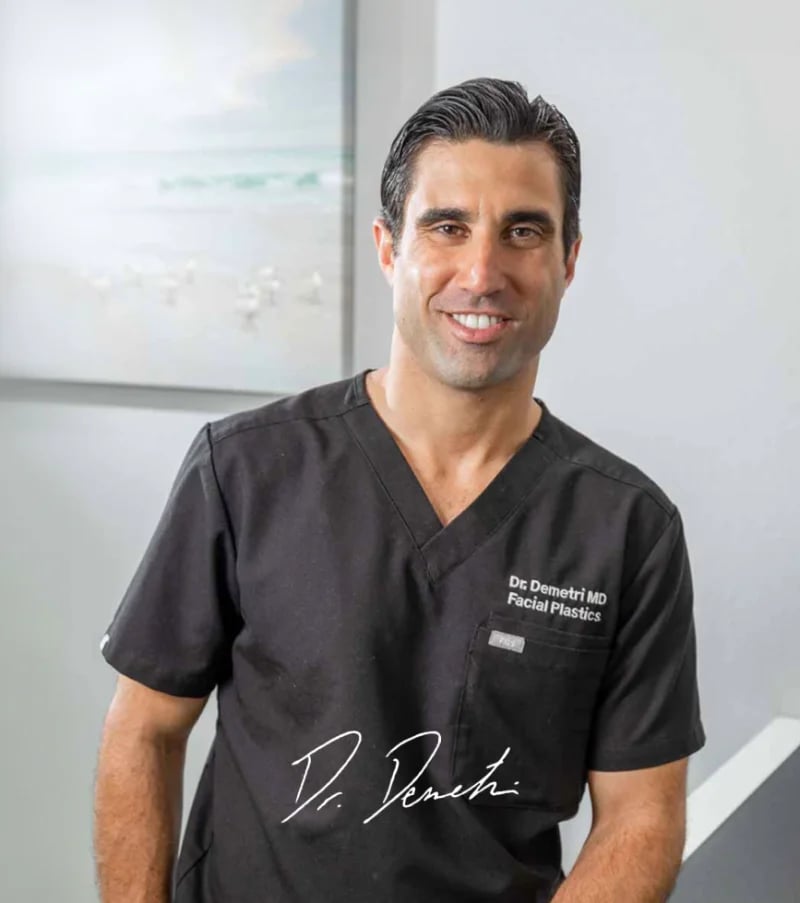
Dr. Demetri is a double board-certified facial plastic surgeon who specializes in facelifts. As one of the busiest plastic surgeons in the country, he performs on average 4-6 facelifts per week. He often welcomes fellow doctors and residents to observe him perform facelift surgery. Furthermore, he often attends plastic surgery conferences where he lectures on his surgical techniques.
Dr. Demetri feels privileged to help patients in this journey. He is passionate about the field of plastic surgery and loves meeting wonderful new people in our state-of-the-art office. If you would like to learn more about a deep plane facelift, please contact us for a consultation.

Book a Consultation
Contact us today to book an appointment and maximize your beauty with Dr. Demetri the facelift expert. Dr. Demetri can provide you with the personalized care you need and can completely revitalize your face and skin.
"*" indicates required fields
Procedures
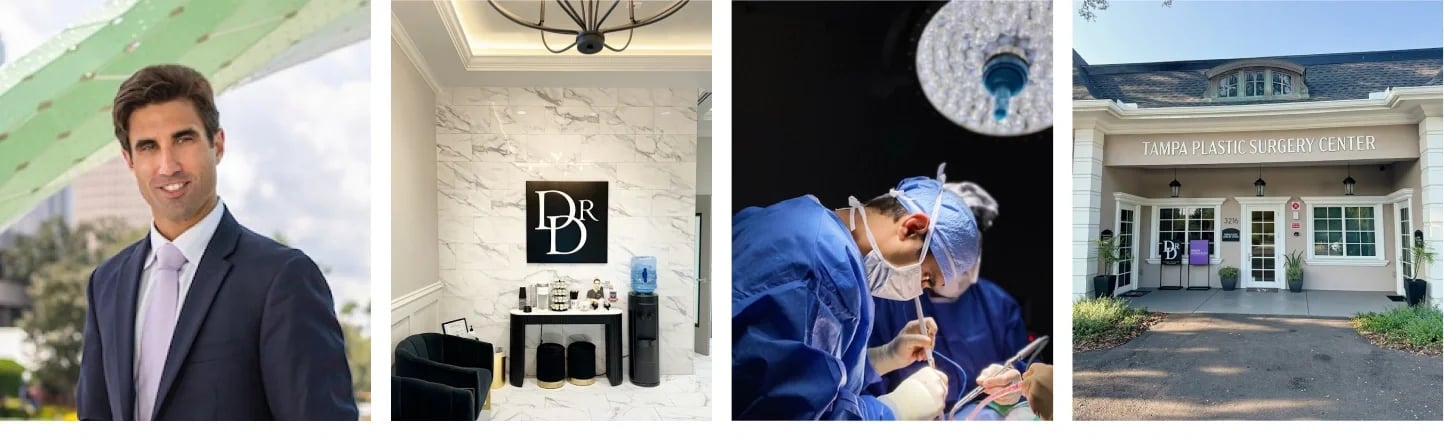
Conveniently located to serve the people of Tampa, Florida
Design & Digital Marketing by NKP Medical
Refine a Wide or Rounded Nasal Tip While Preserving Natural Facial Harmony
For many patients’ considering rhinoplasty, the primary concern is not the bridge of the nose—it is the tip. A bulbous nasal tip can appear rounded, wide, poorly defined, or disproportionate to the rest of the face, drawing attention away from otherwise balanced facial features.
At Dr. Demetri MD Facial Plastic Surgery in Tampa, bulbous tip rhinoplasty is designed to improve nasal tip definition while preserving the natural character of the face. Rather than creating a one-size-fits-all result, Dr. Demetri approaches nasal tip refinement with careful attention to facial harmony, skin characteristics, cartilage structure, and long-term support.
Patients from Tampa, Clearwater, St. Petersburg, and surrounding Florida communities often seek bulbous tip rhinoplasty to achieve a more refined appearance while still looking like themselves.
